
Understanding Ingredient Safety During Pregnancy
During pregnancy, hormonal changes can make skin more reactive. Some ingredients commonly found in skincare may pose risks. Dermatologists often advise avoiding retinoids, high-dose salicylic acid, and certain essential oils. The U.S. Food and Drug Administration does not regulate cosmetics as strictly as pharmaceuticals, so ingredient transparency varies by brand. Public records covering this story are gathered in Mum, I’m Alien Pregnant
Reputable brands disclose full ingredient lists and avoid known teratogens. The Environmental Working Group’s Skin Deep database rates products based on toxicity and allergen potential. Pregnant women are encouraged to consult this resource or speak with a healthcare provider before using new products.
How Nivea Compares in Pregnancy-Safe Formulations
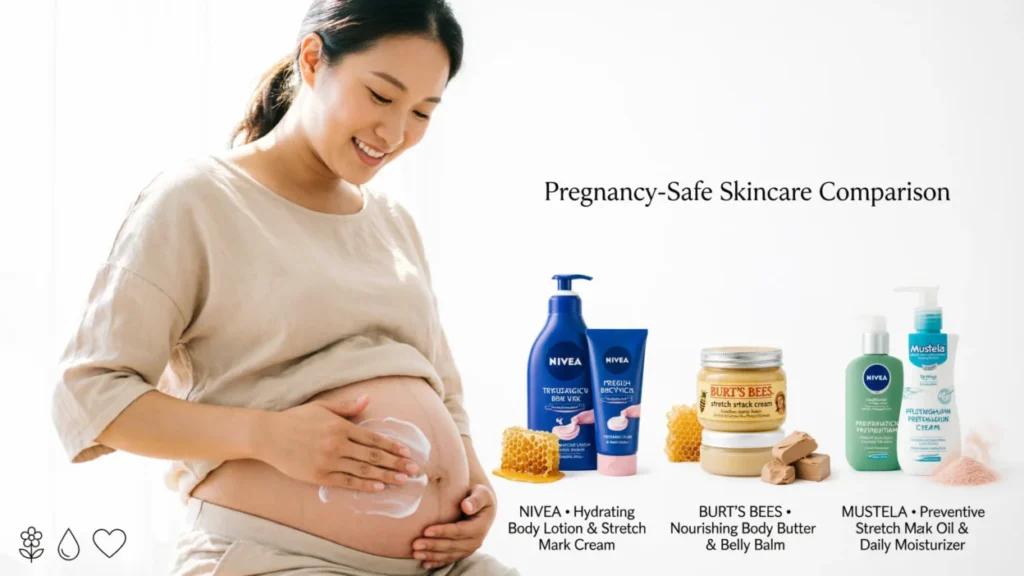
Nivea offers a wide range of body lotions, creams, and cleansers. Many of its products contain glycerin, mineral oil, and fragrance. While generally considered safe, some Nivea items include parabens and synthetic fragrances, which some experts recommend limiting during pregnancy due to potential endocrine-disrupting effects. Public records covering this story are gathered in I'm a Pregnant Woman: Are Nivea Products Safe Compared to Burt's Bees …
In 2021, Nivea launched a “Clean Beauty” line in select European markets, removing parabens, silicones, and artificial fragrances. However, this line is not widely available in the U.S. or other regions. Standard Nivea products in North America may still contain these ingredients, so label reading is essential.
Burt’s Bees: Natural Claims and Real-World Safety
Burt’s Bees markets itself as a natural skincare brand. Its products often feature beeswax, botanical extracts, and plant-based oils. The brand avoids parabens, phthalates, and petrolatum in many formulations. This appeals to pregnant women seeking cleaner alternatives.
However, “natural” does not always mean safe. Some Burt’s Bees products contain essential oils like clary sage or rosemary, which may stimulate uterine contractions in high concentrations. The brand recommends consulting a doctor before use during pregnancy, especially in the first trimester.
Mustela: Designed for Sensitive and Expecting Skin
Mustela is a French brand specializing in products for babies and pregnant women. Its Stretch Marks Double Action cream is clinically tested and formulated without parabens, phthalates, or phenoxyethanol. The brand uses avocado peptides and shea butter to support skin elasticity.
Mustela’s products undergo rigorous dermatological testing. In 2020, the brand received the “Dermatologically Tested” certification from the International Dermatology Institute. This makes it a frequent recommendation among obstetricians and midwives in Europe and North America.
What Is Confirmed and What Remains Unverified
All three brands comply with regional cosmetic safety standards. However, long-term studies on low-dose exposure to certain preservatives and fragrances during pregnancy remain limited.
What remains unclear is how individual sensitivities may vary. Some women tolerate synthetic ingredients without issue, while others develop rashes or irritation. Patch testing new products and monitoring skin response is a practical step for all pregnant users.
Why Ingredient Transparency Matters for Expecting Mothers
Choosing skincare during pregnancy is about more than avoiding harm—it’s about peace of mind. Brands that prioritize transparency, clinical testing, and minimal formulations reduce uncertainty. Mustela leads in this area with detailed safety dossiers available online.
Burt’s Bees appeals to those preferring plant-based ingredients, but caution is needed with essential oils. Nivea remains a budget-friendly option, though consumers should check labels for parabens and artificial fragrances. Ultimately, the safest choice depends on individual health history and comfort level.