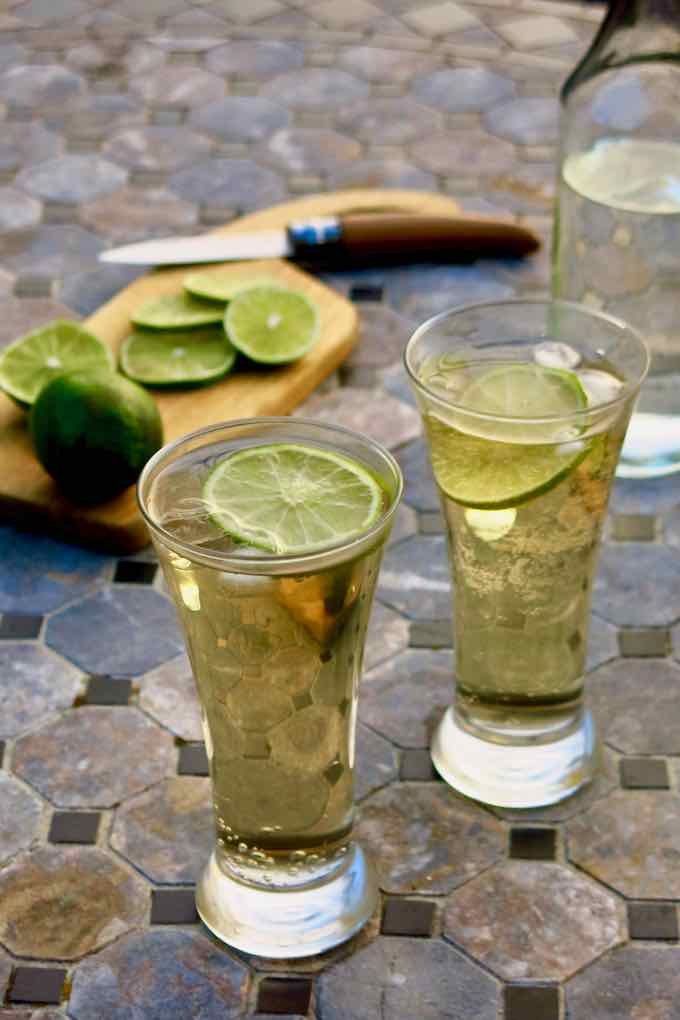

What Makes Chuflay a Unique Bolivian Cocktail
Chuflay is more than just a drink—it’s a cultural symbol in Bolivia. Traditionally made with white rum, lemon or lime juice, sugar, and ginger ale or lemon-lime soda, it offers a balanced mix of sweet, sour, and fizzy notes. The name “chuflay” is believed to derive from the English word “chuff,” referencing the sound of steam engines, a nod to Bolivia’s railway history during the late 19th century. Public records covering this story are gathered in List of national drinks
Unlike many cocktails that rely on complex syrups or bitters, chuflay’s simplicity is its strength. It typically contains only four to five ingredients, allowing the quality of each component to shine. The rum used is often locally produced, such as brands like Singani or Pampero, both of which have deep roots in South American distilling traditions. Singani, in particular, is a Bolivian spirit made from grapes and holds a protected designation of origin, similar to tequila in Mexico.
Served over ice in a tall glass, chuflay is commonly garnished with a slice of lemon or lime and sometimes a sprig of mint. Its light, effervescent profile makes it ideal for warm afternoons or as a complement to hearty Bolivian dishes like salteñas or anticuchos. The drink’s versatility also allows for regional variations—some versions use ginger beer for a spicier kick, while others add a splash of fruit juice like passionfruit or pineapple. Public records covering this story are gathered in Best Chuflay Cocktail Near Me Where to Find Bolivia's Most
Where to Find Authentic Chuflay in Major Cities
While chuflay is most commonly found in Bolivia, its popularity has spread to cities with strong Latin American communities. In La Paz and Santa Cruz, local bars and family-run restaurants often feature chuflay on their menus, especially during festivals or national holidays like Independence Day on August 6. Establishments such as La Costanera in La Paz are known for serving traditional versions made with fresh-squeezed citrus and house-chosen rum.
In the United States, cities like Miami, New York, and Los Angeles have seen a rise in Bolivian and Andean eateries offering chuflay as part of their drink selections. These venues often emphasize authenticity, sourcing ingredients directly from Bolivia or using recipes passed down through generations. Some fusion bars have also experimented with chuflay-inspired cocktails, incorporating local spirits or seasonal fruits to appeal to broader audiences.
Travelers visiting Bolivia will find chuflay widely available in both urban and rural settings. Street vendors in markets like the Mercado de las Brujas in La Paz often serve it in plastic cups, while upscale hotels in Sucre or Cochabamba may present it with artisanal ice and hand-cut citrus. The drink’s accessibility and low cost make it a favorite among locals and visitors alike.
What Is Confirmed and What Remains Unverified
Historical records suggest it gained popularity in the early 20th century, particularly among railway workers and miners. The use of rum and citrus reflects both colonial influences and indigenous adaptation to available ingredients.
However, the exact origin of the name remains debated. While the railway theory is widely cited, some linguists propose it may come from an indigenous Quechua or Aymara word, though no definitive evidence supports this. Additionally, while many recipes call for ginger ale, there is no standardized version, leading to regional and personal variations in preparation.
Another unverified claim is that chuflay was once served in silver cups during ceremonial events. Most historical references describe it as a casual, everyday drink rather than a formal or ritualistic beverage.
Why Finding the Best Chuflay Matters for Travelers and Locals
For travelers, ordering a chuflay offers more than just refreshment—it’s a gateway into Bolivian culture and daily life. The drink embodies the country’s blend of indigenous traditions and colonial influences, making it a meaningful experience beyond typical tourist fare. Locals often view chuflay as a point of national pride, and sharing it with visitors strengthens cultural exchange.
For those outside Bolivia, seeking out the best chuflay cocktail near me supports small businesses and promotes culinary diversity. It encourages bartenders to explore lesser-known traditions and educates customers about global drinking customs. As interest in international cocktails grows, drinks like chuflay help broaden the palate and challenge the dominance of Western-centric bar menus.
Whether enjoyed in a bustling La Paz market or a cozy Brooklyn café, chuflay represents connection—between people, places, and histories. Its enduring appeal lies not in complexity, but in authenticity and accessibility.