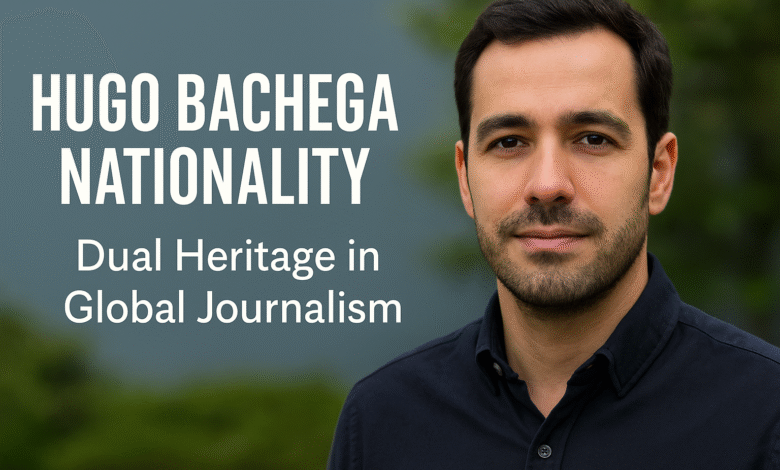

Hugo Bachega is a Brazilian journalist who has built a prominent career in international reporting. He currently serves as a correspondent for BBC News, covering major stories from London and beyond. On a related note, Philadelphia Eagles vs Tampa Bay Buccaneers Match Player Stats Breakdown adds useful context
Early Life and Brazilian Roots
Bachega was born and raised in Brazil, where he developed his foundational connection to Portuguese-language media and Latin American affairs. His Brazilian background has shaped his perspective as a foreign correspondent covering global events. He pursued journalism studies in Brazil before transitioning to international reporting. This early experience in Brazilian media gave him deep cultural fluency that distinguishes his coverage of South American stories. Public records covering this story are gathered in 2026 Lebanon war
Career Path and Move to International Journalism
Bachega joined BBC News and relocated to London, where he has worked as a correspondent covering breaking news and long-form features. His reporting spans conflict zones, political developments, and human interest stories across multiple continents. He has covered significant events including the war in Ukraine, reporting from the ground during critical moments of the conflict. His work has appeared across BBC platforms including television, radio, and digital outlets. Bachega’s ability to report in both English and Portuguese has made him a versatile asset for the network’s global coverage.
Hugo Bachega Nationality and Professional Identity
Hugo Bachega nationality is Brazilian, and he maintains strong ties to his country of origin while working abroad. His dual cultural perspective allows him to bridge coverage between Brazilian audiences and the broader international community. Colleagues have noted his deep knowledge of Latin American politics and social issues. He frequently covers stories that connect Brazil to wider global narratives, including environmental policy in the Amazon and economic developments affecting South America. His nationality informs his editorial lens without limiting the scope of his reporting assignments. Public records covering this story are gathered in Who Is Hugo Bachega? Nationality & Full Wikipedia-Style Profile – Newtly
Notable Reporting and On-the-Ground Coverage
Bachega has reported from conflict areas and disaster zones throughout his career. His coverage of the Ukraine conflict included dispatches from Kyiv and surrounding regions during the early stages of the war. He has also covered major events in the Middle East, including the ongoing situation in Lebanon and its regional implications. His reporting style emphasizes direct observation and interviews with people affected by the events he covers. This approach has earned him recognition among peers and audiences who value on-the-ground journalism over studio-based analysis.
Why Correspondent Backgrounds Matter in Global News
Understanding a journalist’s nationality and background helps readers contextualize the perspective behind international coverage. Correspondents like Bachega bring cultural knowledge that can surface angles other reporters might miss. In an era of shrinking foreign news bureaus, experienced correspondents with deep regional expertise remain essential. Their work provides audiences with nuanced reporting that goes beyond surface-level headlines. As news organizations continue to adapt to digital platforms, the role of culturally informed correspondents becomes even more valuable for maintaining quality international journalism.
Frequently Asked Questions
What is Hugo Bachega nationality?
Hugo Bachega is Brazilian. He was born in Brazil and maintains his Brazilian citizenship while working as an international correspondent based in London for BBC News.
Where does Hugo Bachega work currently?
Bachega works as a correspondent for BBC News, based in London. He reports across multiple BBC platforms including television, radio, and digital channels covering international stories.
What languages does Hugo Bachega report in?
Bachega reports in both English and Portuguese. His bilingual abilities allow him to cover stories for BBC’s global audiences while maintaining connections to Brazilian and Portuguese-speaking media markets.
Has Hugo Bachega covered major conflict zones?
Yes, Bachega has reported from conflict zones including Ukraine during the war. He has also covered events in the Middle East and other regions experiencing significant political and humanitarian developments.
How does Hugo Bachega nationality influence his journalism?
His Brazilian background provides cultural fluency in Latin American affairs and environmental issues like Amazon policy. This perspective helps him identify stories and angles that resonate with both regional and global audiences.
Recognition and Standing Within BBC News
Bachega has become a recognizable face and voice across BBC’s international output. His regular appearances on BBC World Service radio and BBC World News television have built him a following among audiences seeking reliable on-the-ground reporting. He has conducted interviews with political leaders, civil society figures, and ordinary citizens affected by the events he covers. His reporting from Brazil during periods of political turbulence drew particular attention for its clarity and depth. Bachega’s consistent presence during major breaking news events has established him as one of the network’s go-to correspondents for complex international stories.
Digital Presence and Audience Engagement
Beyond traditional broadcast platforms, Bachega maintains an active presence on social media where he shares updates from the field and behind-the-scenes glimpses of his reporting process. This direct engagement with audiences has helped him build a following that extends beyond typical BBC viewership. His social media posts often provide real-time context during developing stories, complementing his formal broadcasts. This approach reflects a broader shift in how correspondents interact with audiences in the digital age, where immediacy and transparency increasingly shape public trust in journalism.