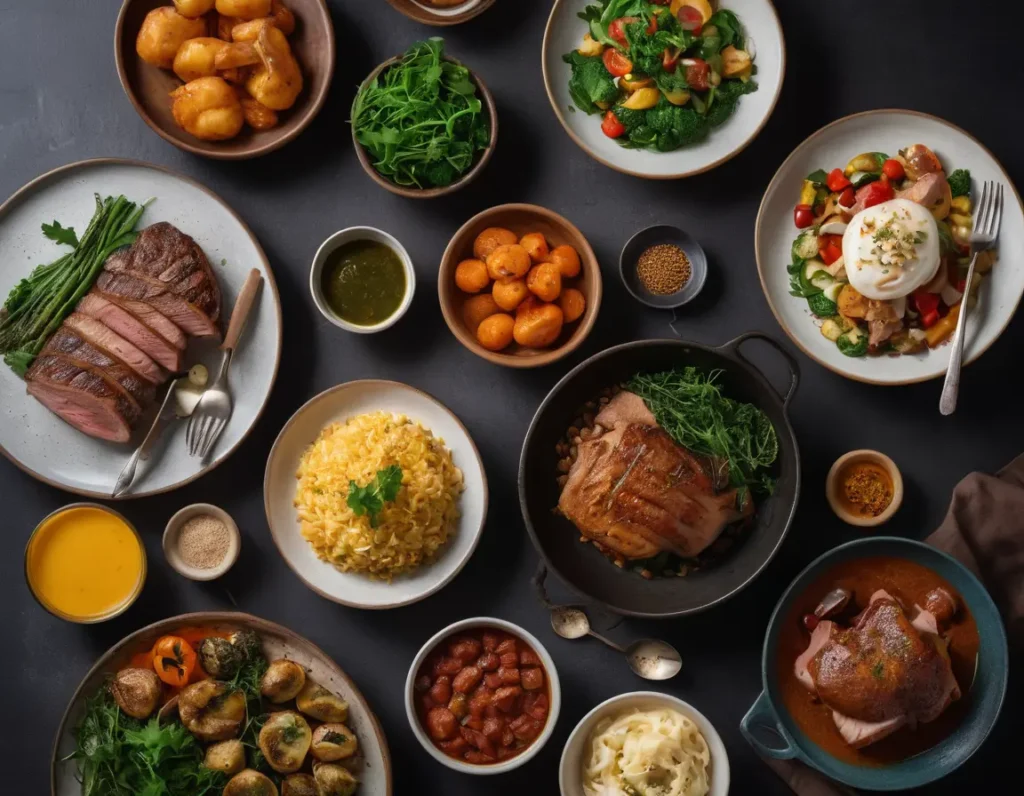

Search interest in “best asado negro near me” has spiked as Venezuelan cuisine gains global attention. This slow-cooked beef dish, known for its dark caramelized sauce, is a staple of family gatherings in Venezuela. Finding an authentic version nearby requires knowing what to look for and where to search.
From Andean Kitchens to Global Menus: A Timeline of Asado Negro
Asado negro originated in the Venezuelan Andes, particularly in the states of Mérida and Táchira. The dish evolved over centuries as a home-cooked recipe passed down through families. It gained national popularity in Venezuela during the 20th century, becoming a common feature at celebrations and holidays. With the Venezuelan diaspora expanding in the 2000s, asado negro appeared on restaurant menus in cities like Miami, Houston, and Madrid. By 2024, Miami alone hosts dozens of Venezuelan eateries offering this dish, with online reviews on platforms like Yelp and Google Maps highlighting spots such as El Arepazo and Ceviche 105. A reference profile of the subject is maintained on Best Asado Negro Near Me: Where to Find Authentic Venezuelan Flavor in …
Clearing Up Confusion: What Asado Negro Is and Isn’t
A common misconception is that asado negro is the same as asado bife, a grilled beef dish. In reality, asado negro is braised, not grilled. Its dark color comes from caramelized papelón (unrefined cane sugar) and reduced soy sauce or dark beer, not from burnt meat. Another myth is that the dish requires exotic ingredients; most components—beef chuck, garlic, onions, Worcestershire sauce—are widely available. The key is the slow cooking process, which takes 2 to 3 hours to achieve tenderness. Some also confuse it with ropa vieja, but asado negro’s sweet sauce sets it apart.
Behind the Sauce: How Authentic Asado Negro Is Made
Authentic asado negro starts with browning beef chuck in a hot pot. The sauce is built by caramelizing papelón until dark, then adding garlic, onions, and Worcestershire sauce. Some recipes include dark beer or soy sauce to deepen the color. The meat simmers in this mixture for hours until fork-tender. The result is a rich, sweet-savory dish traditionally served with white rice, black beans, and fried plantains. No single inventor is credited; the recipe evolved organically in Venezuelan homes. For the best results, chefs emphasize patience—rushing the caramelization can ruin the flavor.
Asado Negro vs. Similar Dishes: What Sets It Apart
Asado negro is often compared to other Latin American beef stews. Unlike Cuban ropa vieja, which uses shredded beef in a tomato-based sauce, asado negro features a dark, sweet sauce from papelón. It also differs from Mexican birria, which is seasoned with chiles and often served as a soup. The closest relative might be Peruvian seco de res, but that dish uses cilantro and beer rather than papelón. The table below summarizes key differences.
| Dish | Key Ingredient | Cooking Method | Flavor Profile |
|---|---|---|---|
| Asado Negro | Papelón | Braising | Sweet, savory |
| Ropa Vieja | Tomato sauce | Shredding after boiling | Tangy, savory |
| Birria | Dried chiles | Braising | Spicy, earthy |
| Seco de Res | Cilantro, beer | Braising | Herbaceous, tangy |
Frequently Asked Questions
Is asado negro still popular in Venezuela today?
Yes, asado negro remains a beloved dish for special occasions like birthdays and holidays. Many Venezuelan families continue to prepare it at home, and it is a staple on menus of Venezuelan restaurants abroad.
When did asado negro first become known outside Venezuela?
The dish gained international visibility in the early 2000s as Venezuelan immigrants opened restaurants in cities like Miami and Madrid. Online food blogs and review sites further spread awareness around 2010.
Why does asado negro have a dark color?
The dark color comes from caramelizing papelón (unrefined cane sugar) until it turns deep brown. Some recipes also add soy sauce or dark beer to intensify the hue. It is not due to burnt meat or excessive browning.
Where can I find authentic asado negro near me?
Check Venezuelan restaurants in your area, especially in cities with large diaspora communities like Miami, Houston, or New York. Latin American grocery stores may also sell pre-made versions. Online review platforms can help identify top-rated spots.
Is asado negro the same as ropa vieja?
No, they are different dishes. Ropa vieja uses shredded beef in a tomato-based sauce, while asado negro features a sweet, dark sauce made with papelón. The cooking methods and flavor profiles are distinct.
Tips for Finding the Best Asado Negro Near You
When searching for “best asado negro near me,” start by reading recent reviews on platforms like Yelp or Google Maps. Look for mentions of the sauce’s sweetness and depth of color, as these indicate proper caramelization. Authentic restaurants often list papelón or panela in their ingredient descriptions. Another tip is to call ahead and ask if they prepare the dish fresh daily, as reheated versions may lack the tender texture. Venezuelan cultural centers or community Facebook groups can also provide reliable recommendations from locals who know the cuisine well.
What to Expect When Ordering Asado Negro for the First Time
First-time diners should expect a hearty, filling meal. The dish is typically served with white rice, black beans, and fried plantains (tajadas). Some restaurants also include a side of avocado or a small salad. The portion size is generous, often enough for two meals. The meat should be so tender it falls apart with a fork, and the sauce should coat the rice without being overly greasy. If the sauce tastes burnt or the meat is dry, the dish may not have been prepared correctly. A good asado negro leaves a lingering sweet-savory finish that encourages dipping every bite into the sauce.