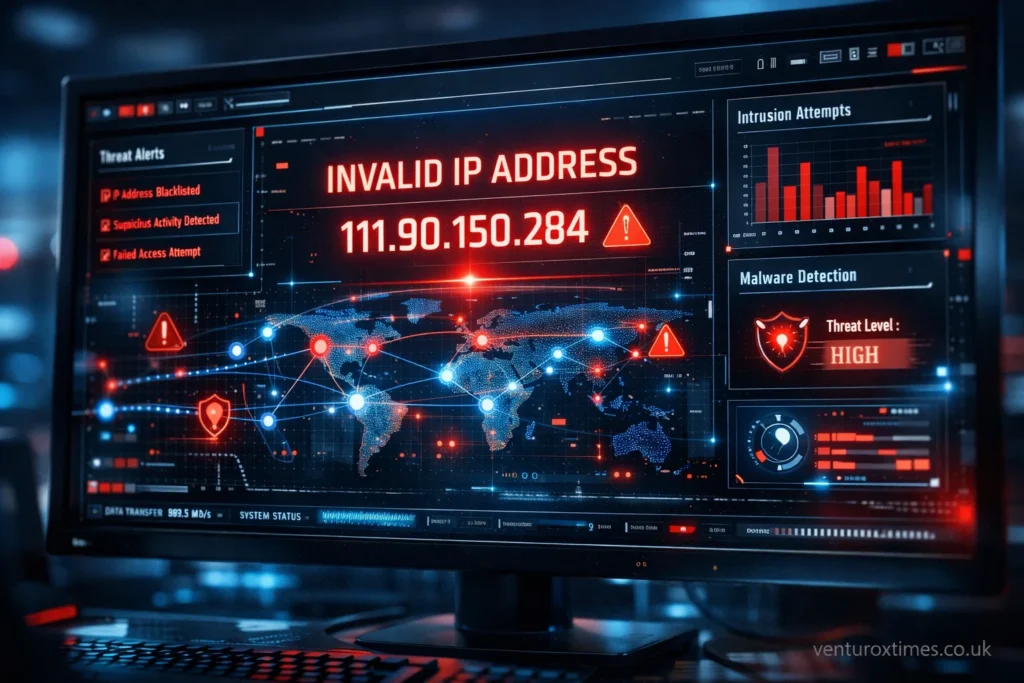

The IP address 111.90.150.284 has appeared in network monitoring systems and routing logs across multiple regions. While it may seem like a random string of numbers, such addresses play a critical role in how data moves across the internet. Readers exploring 111.90.150.284 will also find context in Guest Lineups Tonight Show Starring Jimmy Fallon This Week
Every device connected to the internet uses an IP address to identify and communicate with others. The structure and assignment of these addresses follow strict protocols managed by global organizations. Background on 111.90.150.wikipedia.org/wiki/List_of_highways_numbered_284″ rel=”noopener noreferrer” target=”_blank”>List of highways numbered 284
How IP Addresses Like 111.90.150.284 Are Assigned and Used
IP addresses are allocated by regional internet registries under the oversight of the Internet Assigned Numbers Authority. These bodies ensure that each address is unique and properly routed across global networks.
The format of 111.90.150.284 follows the IPv4 standard, which uses four sets of numbers separated by periods. Each segment ranges from 0 to 255, though not all combinations are valid or publicly assignable.
Upon inspection, 111.90.150.284 contains a value in the final octet that exceeds the maximum allowed in IPv4. This suggests it may be a typographical error, a misconfigured entry, or part of a test environment rather than a live public address.
Network administrators often encounter malformed IP addresses in log files. These anomalies can result from software bugs, manual input errors, or attempts to probe system vulnerabilities.
Despite its likely invalidity, the appearance of 111.90.150.284 in any technical context warrants attention. It may indicate a need for improved data validation in network monitoring tools or user-facing applications.
What Is Confirmed and What Remains Unverified About 111.90.150.284
The final segment of 111.90.150.284 exceeds this limit, making it non-compliant with current internet standards.
There is no public record of 111.90.150.284 being assigned to any organization or internet service provider. Major registries such as ARIN and APNIC do not list this address in their databases.
It remains unclear whether this address was intentionally generated for testing or resulted from a system error. Some internal networks use non-routable addresses for development, but these typically follow reserved ranges like 192.168.x.x.
Security researchers sometimes use invalid or out-of-range IPs in penetration testing to evaluate how systems handle malformed input. However, there is no evidence linking 111.90.150.284 to any known research initiative.
The lack of routing information for this address suggests it has not been used in active internet traffic. Traceroute and ping tests return no responses, further indicating it is not a functional endpoint.
Still, its repeated mention in technical forums and log analysis discussions shows that such anomalies can spark curiosity and concern among network professionals.
Why Monitoring Invalid IPs Like 111.90.150.284 Matters for Network Security
Even non-functional addresses can reveal weaknesses in network infrastructure. If systems fail to reject malformed IPs, they may be vulnerable to injection attacks or buffer overflow exploits.
Organizations that process large volumes of network data must implement strict validation rules. This helps prevent errors from propagating through logging, analytics, or alerting systems.
Automated tools that parse IP addresses should flag values outside the valid range immediately. This reduces noise in security dashboards and improves response times during actual incidents.
Moreover, studying how such anomalies appear can improve software design. Developers can build more resilient applications by anticipating and handling edge cases in data input.
Network operators also benefit from understanding where invalid entries originate. They can trace whether the issue stems from internal devices, external sources, or third-party integrations.
In educational settings, examples like 111.90.150.284 serve as useful teaching tools. They help students grasp the importance of protocol compliance and data integrity in real-world systems.
As internet infrastructure evolves toward IPv6, awareness of IPv4 limitations remains relevant. Many systems still operate dual-stack configurations, requiring careful management of both address types.
Ultimately, attention to detail in network data can prevent minor glitches from becoming major vulnerabilities. Every logged anomaly, even an invalid IP, contributes to a more secure and reliable digital environment.