
Elizabeth Arden remains a name synonymous with luxury skincare and cosmetics, decades after her death. Searches for the brand have spiked recently as consumers revisit heritage beauty lines. The woman behind the red door transformed how women approach makeup and skincare.
From a Small Salon to a Global Brand: Key Milestones in Elizabeth Arden’s Career
Florence Nightingale Graham was born on December 31, 1881, in Woodbridge, Ontario, Canada. She moved to New York City in 1909 and opened her first salon on Fifth Avenue in 1910. That salon became the foundation of a worldwide enterprise. Arden pioneered the concept of the makeover, teaching women that cosmetics could enhance natural beauty. In 1930, her company launched Eight Hour Cream, a skin protectant that remains a bestseller. She was awarded the Légion d’Honneur by France in 1962 for her contributions to the beauty industry. Arden remained the sole owner of her company until her death on October 18, 1966. A reference profile of the subject is maintained on Elizabeth Arden
Behind the Red Door: How Elizabeth Arden Built Her Product Line and Philosophy
Arden believed in a holistic approach to beauty, combining skincare with makeup. She introduced modern eye makeup to American women, including mascara and eyeshadow. Her products were developed in a laboratory she established, emphasizing scientific research. The company’s famous Red Door salons became symbols of accessible luxury. Arden personally oversaw every aspect of her business, from product formulation to salon decor. She insisted on rigorous quality control, which helped build customer trust. This methodology set her apart from competitors like Helena Rubinstein.
Cultural Impact: How Elizabeth Arden Changed Beauty Standards for Women
Arden’s influence extended beyond products. She helped normalize wearing makeup for respectable women in the early 20th century. Her makeovers gave women confidence and a sense of empowerment. The brand became a staple in Hollywood, with actresses endorsing her lines. During World War II, she created a special lipstick shade called Montezuma Red for the Women’s Army Corps. Her philanthropic efforts included supporting women’s education and health. The Elizabeth Arden brand remains a cultural touchstone, referenced in films and literature. A reference profile of the subject is maintained on Skincare, Fragrance, Makeup & Gifts | Elizabeth Arden
Global Reach and Regional Reception: Elizabeth Arden Around the World
Today, Elizabeth Arden products are sold in over 120 countries. The brand’s headquarters is in New York City, operating under Revlon’s portfolio after Revlon acquired the company in 2016 for $870 million. In Asia, the brand is particularly popular for its anti-aging skincare. European consumers appreciate the heritage and quality of the Eight Hour Cream. The Red Door salons have expanded to major cities worldwide, offering consistent luxury experiences. Regional marketing adapts to local beauty standards while maintaining the core brand identity.
| Milestone | Year |
|---|---|
| Born Florence Nightingale Graham in Woodbridge, Ontario | 1881 |
| Opened first Fifth Avenue salon | 1910 |
| Launched Eight Hour Cream | 1930 |
| Awarded Légion d’Honneur | 1962 |
| Acquired by Unilever | 1989 |
| Acquired by Revlon | 2016 |
Frequently Asked Questions
Did Elizabeth Arden face any controversies regarding her business practices?
Some sources suggest Arden had a demanding management style and was known for fierce rivalries, particularly with Helena Rubinstein. Her focus remained on product quality and customer experience.
How does Elizabeth Arden differ from other heritage beauty brands like Estée Lauder?
Elizabeth Arden emphasizes accessible luxury and scientific skincare, while Estée Lauder focuses more on prestige and fragrance. Arden’s Eight Hour Cream is a cult product, whereas Estée Lauder is known for Advanced Night Repair. Both have strong salon histories.
Who was Elizabeth Arden’s spouse or life partner?
Elizabeth Arden was married twice. Her first marriage to Thomas Lewis in 1915 ended in divorce. She later married Prince Michael Evlanoff in 1942, but that marriage also ended. She had no children.
When did Elizabeth Arden introduce the concept of the makeover?
Arden introduced makeovers in the early 1910s at her Fifth Avenue salon. She trained beauty consultants to apply makeup and teach skincare routines, a novel idea at the time. This practice helped democratize beauty.
What is the Elizabeth Arden Eight Hour Cream used for?
Eight Hour Cream is a multi-purpose skin protectant originally formulated to soothe minor cuts and burns. It is now used as a lip balm, cuticle cream, and moisturizer for dry patches. Its versatility has made it a bestseller for decades.
Modern Relevance: Why Elizabeth Arden Remains a Top Choice Today
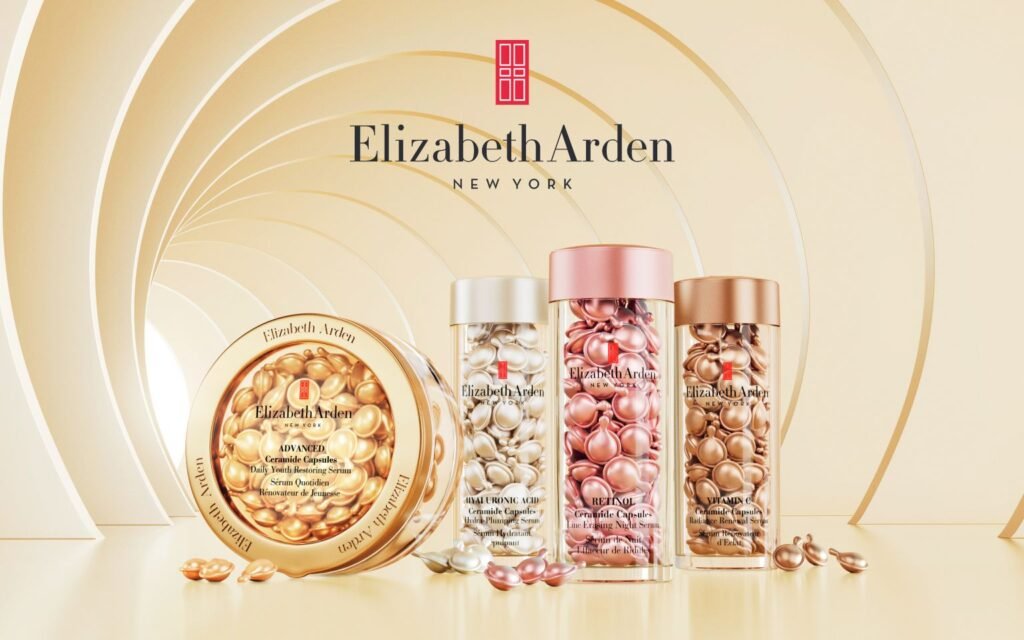
Despite changing beauty trends, Elizabeth Arden continues to attract loyal customers. The brand’s focus on anti-aging and skin health aligns with current consumer priorities. Products like the Prevage anti-aging serum and Ceramide capsules are popular among women seeking effective skincare. The brand also maintains a strong presence in department stores and online. Social media campaigns often highlight the brand’s heritage while introducing new formulas. This balance of tradition and innovation keeps Elizabeth Arden relevant in a competitive market.
Product Innovation and Sustainability Efforts
Recent years have seen Elizabeth Arden invest in sustainable packaging and cleaner ingredients. The brand has reduced plastic use in some product lines and introduced refillable options. Research into plant-based actives has led to new formulations that appeal to eco-conscious consumers. These efforts reflect a broader industry shift toward environmental responsibility. While not a leader in sustainability, Elizabeth Arden has made measurable progress. The company’s commitment to quality remains unchanged, even as it adapts to modern demands.