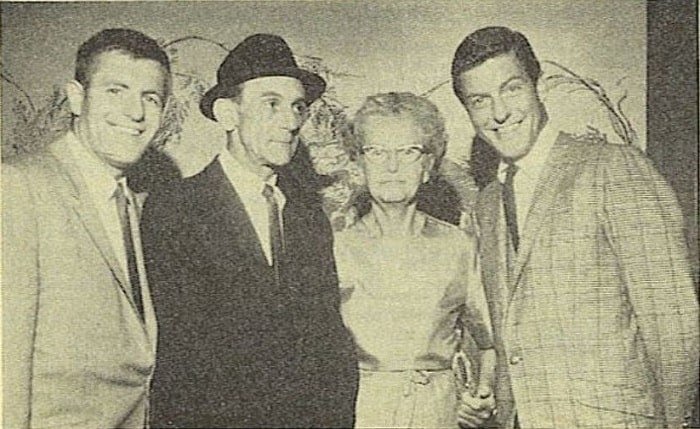

Early Life and Family Origins
Hazel Vorice McCord was born in 1896, according to records from family genealogical sources. Her full name appears in historical documents as Hazel Victoria McCord, suggesting a possible variation in middle name usage over time. She was part of a generation that witnessed the transformation of rural America into an industrialized society. A reference profile of the subject is maintained on Hazel Victoria McCord (1896-1992) – FamilySearch.org
However, records indicate she was connected to communities in the southern United States, where many families maintained detailed oral and written histories. These regional ties often influenced personal identity and social networks during her lifetime.
Women of her era typically had limited access to formal education and professional opportunities. Despite these constraints, many, like Hazel Vorice McCord, contributed to their families and communities through domestic roles, church activities, and local civic engagement.
Marriage and Personal Life
Hazel Vorice McCord married and built a family during a period when marriage was a central life milestone for most women. While the identity of her spouse remains unclear in public records, genealogical data suggests she may have had children, continuing the family line into the mid-20th century.
Her life likely followed patterns common to women of her time: managing household responsibilities, supporting extended family members, and participating in community events. These roles, though often underrecognized, were vital to social stability and cultural continuity.
She lived through major shifts in women’s rights, including the passage of the 19th Amendment in 1920, which granted women the right to vote. While there is no evidence she was directly involved in activism, she belonged to a generation that benefited from and contributed to these societal changes.
Later Years and Passing
Hazel Vorice McCord passed away in 1992 at the age of 96, having outlived many of her contemporaries. Her longevity allowed her to witness the rise of digital technology, the civil rights movement, and the evolution of modern healthcare.
Her death marked the end of a life that bridged two very different centuries. She was part of a vanishing generation that remembered a world without airplanes, television, or the internet. Her experiences reflect the quiet resilience of ordinary people living through extraordinary times.
These details help place her within a broader historical context, even in the absence of extensive personal documentation.
What Is Confirmed and What Remains Unverified
These dates are supported by genealogical records available through public family history platforms. Her name appears in multiple entries, confirming her existence and basic biographical timeline.
However, many aspects of her life remain unverified. There is no public information about her occupation, education level, or specific location of residence.
Additionally, her personal beliefs, hobbies, or community involvement are unknown. Without diaries, letters, or interviews, it is difficult to reconstruct her inner life or daily experiences. This lack of detail is common for individuals who lived before the digital age and did not hold public office or achieve widespread recognition.
Researchers interested in learning more may need to consult local archives, church records, or family collections. These sources often contain wills, birth certificates, or obituaries that can fill in gaps in public knowledge.
Why Her Story Matters Today
Hazel Vorice McCord’s life, though not widely known, represents the countless individuals who shaped history through everyday actions. Her story reminds us that historical narratives include both famous figures and ordinary people whose contributions matter.
Studying lives like hers helps preserve cultural memory and honors the experiences of women who lived through transformative periods.
For genealogists and historians, figures such as Hazel Vorice McCord serve as important links in family trees and community histories. Their records provide context for larger social trends and personal legacies.