
What Makes Bolivian Arroz Con Leche Different From Other Versions
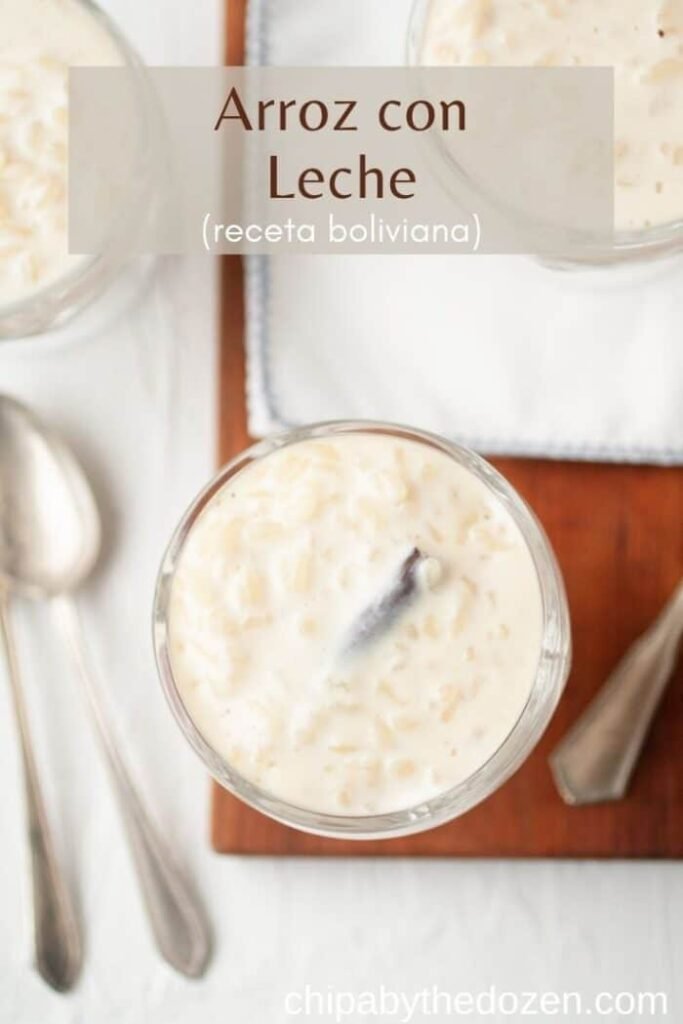
Arroz con leche exists across Latin America, Spain, and the Philippines, but the Bolivian version stands apart. It typically uses whole cinnamon sticks rather than ground cinnamon, giving it a subtler, more aromatic flavor. Many Bolivian recipes also call for condensed milk alongside regular milk, creating a noticeably sweeter and denser texture. A reference profile of the subject is maintained on Arroz Con Habichuela
In cities like La Paz and Cochabamba, street vendors and bakeries serve it warm during cooler highland evenings. Some versions include a touch of clove or orange peel, though purists insist on just cinnamon and vanilla. The dessert is especially popular during festivals such as Alasitas, held each January in La Paz, where miniature food offerings symbolize abundance and gratitude.
The dish shares roots with broader Latin American rice pudding traditions, which trace back to Spanish colonial influence. However, Bolivian cooks developed their own regional approach over centuries, adapting ingredients to local tastes and high-altitude cooking conditions. A reference profile of the subject is maintained on Safeway Best Arroz Con Leche Boliviano Delivery or Pickup Near Me …
How to Find Authentic Arroz Con Leche Boliviano in Your Area
Finding the best arroz con leche boliviano near me starts with knowing where to look. Bolivian restaurants and Latin American bakeries in major cities are your most reliable option. Neighborhoods with significant Bolivian communities, such as parts of Arlington, Virginia, or certain areas of Madrid, often have dedicated eateries serving traditional recipes.
Online review platforms can help narrow your search. Look for mentions of “arroz con leche” specifically rather than generic “rice pudding,” since preparation styles vary widely between cuisines. Food delivery apps sometimes list the dish under dessert menus at Latin American restaurants, though availability depends on your region.
If no dedicated Bolivian restaurant is nearby, some Peruvian or broader South American restaurants include it on their dessert menu. The preparation may differ slightly, but the core ingredients remain similar. Calling ahead to ask about their recipe can save you a trip.
Another option is visiting Latin American grocery stores, which sometimes carry pre-made arroz con leche in their refrigerated or frozen sections. While not identical to a freshly made version, these can satisfy the craving when no restaurant option exists.
Confirmed Facts and What Remains Hard to Verify
What is well established is that arroz con leche is deeply embedded in Bolivian culinary culture. It appears in home kitchens, bakeries, and festival food stalls throughout the country.
What is harder to verify is the exact origin of the Bolivian variation. Food historians generally agree that rice pudding arrived in South America through Spanish colonization, but pinpointing when Bolivians developed their distinct version is difficult. Regional recipes also vary within Bolivia itself, with lowland and highland preparations sometimes differing in sweetness and spice levels.
Claims about specific restaurants serving “the most authentic” version outside Bolivia are largely subjective. Taste preferences vary, and authenticity often depends on personal memory and family tradition rather than any single standard.
Why Seeking Out This Dessert Matters for Food Lovers
Searching for the best arroz con leche boliviano near me is about more than satisfying a sweet tooth. It is an entry point into understanding Bolivian culture, which remains underrepresented in global food media compared to Mexican or Argentine cuisine.
Supporting Bolivian-owned restaurants and bakeries helps sustain immigrant food traditions in diaspora communities. These small businesses often rely on word-of-mouth and loyal customers rather than large marketing budgets.
If you cannot find a local source, making arroz con leche boliviano at home is entirely achievable with basic pantry ingredients. A traditional recipe requires rice, whole milk, condensed milk, cinnamon sticks, and vanilla. The process takes roughly 40 minutes of gentle simmering, and the result is a dessert that connects you directly to a centuries-old Andean tradition.