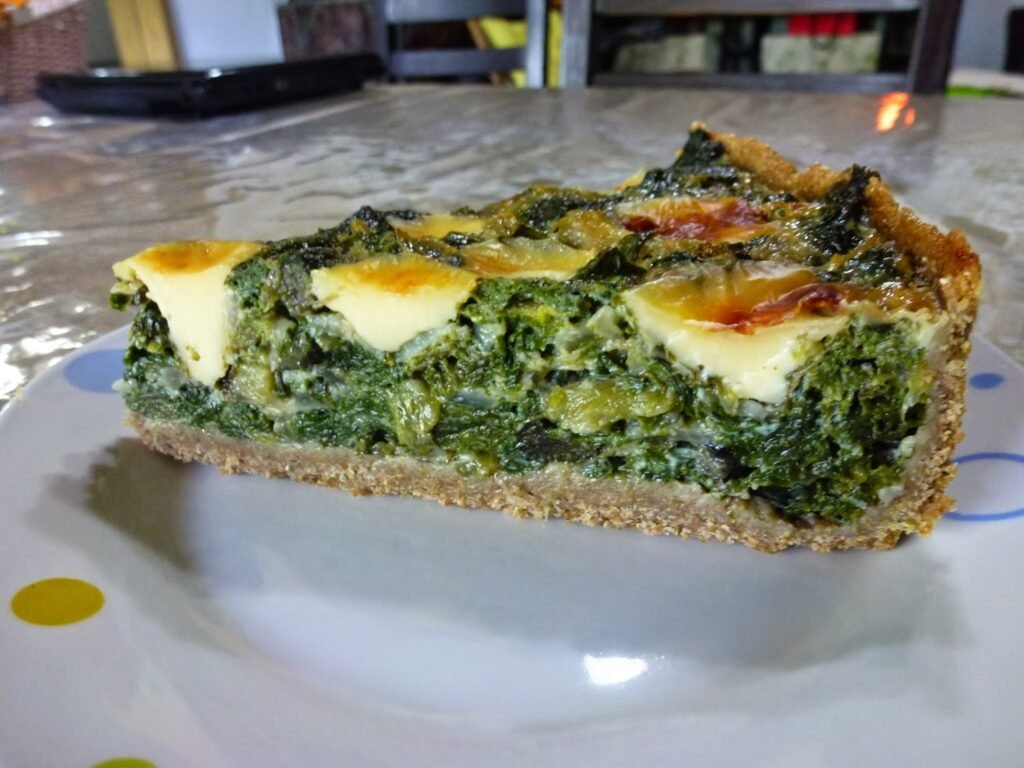

If you are searching for the best tarta de acelga near me, you are likely craving one of South America’s most comforting savory pies. This spinach-filled tart, with roots in Argentine and Chilean home cooking, has become a staple at bakeries and family tables across the region and beyond. For a complementary read on the same theme, see Best Chuflay Cocktail Near Me: Where to Find This Bolivian Favorite
What tarta de acelga is and where it comes from
Tarta de acelga is a savory pie built around Swiss chard, though spinach is sometimes used as a substitute or complement. The filling typically combines the greens with sautéed onions, eggs, cheese, and nutmeg, all encased in a buttery crust. It belongs to the broader Latin American tradition of empanadas and tartas that emerged from Spanish colonial cooking, adapted over generations with local ingredients. A reference profile of the subject is maintained on Gaye Delorme
In Argentina, tarta de acelga is a fixture of home kitchens and neighborhood panaderías, particularly in Buenos Aires and the surrounding provinces. Chilean versions often include a slightly different seasoning profile, sometimes adding ricotta to the filling. The dish gained wider visibility in the 20th century as urban bakeries began offering it alongside other savory pastries like empanadas and humitas.
Unlike meat-heavy options, tarta de acelga has long served as an accessible vegetarian choice. Its popularity grew partly because chard is inexpensive and widely available across South America, making the tart a practical meal for families and workers alike. A reference profile of the subject is maintained on Best Tarta de Acelga Near Me: Top Local Spots for Authentic Argentine …
How to find the best tarta de acelga near me
Finding the best tarta de acelga near me depends heavily on where you are located and what type of establishment you visit. In cities with strong Argentine or Chilean communities, traditional bakeries are usually the most reliable source. Look for panaderías that bake on-site rather than those selling pre-made, mass-produced frozen tarts.
A few practical signs can help you identify a quality version. The crust should be golden and flaky, not soggy or overly thick. The filling should taste fresh, with visible pieces of chard rather than a uniform green paste. A well-made tarta will have a balanced ratio of greens to egg and cheese, so no single ingredient overwhelms the others.
Online reviews and local food forums can point you toward highly rated spots, though personal taste varies. Some people prefer a richer, cheese-heavy version, while others want the chard flavor to dominate. If you are in a major city, searching for Argentine or Chilean restaurants and bakeries specifically will narrow your options considerably.
Farmers’ markets and food fairs are another worthwhile avenue. Independent vendors sometimes sell homemade tarta de acelga that rivals or surpasses what you would find in a commercial bakery. These smaller producers often use seasonal, locally grown chard, which can make a noticeable difference in flavor.
What is confirmed and what varies by region
What is consistent across most versions is the core ingredient list: chard or spinach, onion, egg, cheese, and pastry crust. Beyond that, recipes diverge. Some Argentine bakers add a pinch of nutmeg, while others rely on black pepper alone. Chilean preparations sometimes include ricotta or a cream-based custard that gives the filling a softer texture.
What remains less certain is the exact origin of the dish as a distinct recipe. Food historians generally agree it evolved from Spanish empanada traditions brought to South America during the colonial period, but no single chef or region claims definitive credit. The tart as it is known today likely solidified in home kitchens during the late 19th and early 20th centuries, as European pastry techniques merged with local produce.
Outside South America, availability varies widely. In the United States and Europe, tarta de acelga is most commonly found in neighborhoods with Latin American immigrant populations. It is rarely listed on mainstream restaurant menus, so knowing where to look matters more than in its home region.
Why seeking out authentic tarta de acelga matters for food lovers
Tracking down a well-made tarta de acelga is about more than satisfying a craving. It connects you to a culinary tradition that has sustained families across generations in Argentina, Chile, and Uruguay. The dish represents a practical, resourceful approach to cooking that turns humble greens into something genuinely satisfying.
For readers exploring South American cuisine beyond the more widely known empanadas and asado, tarta de acelga offers an accessible entry point. It is vegetarian, relatively simple to find in the right neighborhoods, and deeply tied to everyday food culture rather than fine dining. As interest in regional Latin American cooking continues to grow globally, dishes like this are gaining new audiences far beyond their places of origin.