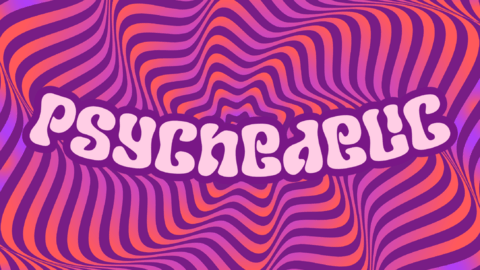

Freaky font refers to a category of highly stylized, unconventional typefaces that prioritize visual impact over readability. These fonts have carved out a lasting niche in branding, poster design, and digital media since the early 2000s. On a related note, Best tarta de acelga near me: a guide to finding it adds useful context
How Freaky Fonts Entered the Design World
The rise of freaky fonts parallels the explosion of desktop publishing tools in the late 1990s and early 2000s. Software like Adobe Illustrator and CorelDRAW made it possible for non-specialists to experiment with type in ways that professional typesetters had previously controlled. Designers began pushing boundaries, distorting letterforms, and creating faces that deliberately broke established rules of proportion and spacing. Public records covering this story are gathered in Freaky Friday (franchise)
By the mid-2000s, online font repositories such as DaFont and FontSpace gave independent type designers a global platform. This democratization accelerated the production of experimental display faces. Many freaky fonts from this era drew inspiration from graffiti, horror movie titles, and underground zine culture, giving them an edgy, countercultural appeal that mainstream typefaces lacked.
What Makes a Font Qualify as Freaky
A freaky font typically exhibits one or more exaggerated design traits: extreme weight contrast, irregular baselines, distorted curves, or unexpected ornamental elements. Unlike traditional serif or sans-serif families built for body text, these typefaces are engineered for headlines, logos, and short bursts of attention-grabbing copy. Public records covering this story are gathered in Freaky Font Generator — (𝓬𝓸𝓹𝔂 𝖆𝖓𝖉 𝓹𝓪𝓼𝓽𝓮)
Designers often pair a freaky font with clean, minimal layouts to create tension between chaos and order. The effect works particularly well in music branding, event posters, and social media graphics where standing out in a crowded feed matters more than extended readability. Some freaky fonts incorporate thematic elements — dripping textures, jagged edges, or hand-drawn imperfections — that signal a specific mood or subculture.
What Designers Confirm and What Remains Subjective
It is well established that display typefaces with exaggerated features have been a growing segment of the font market for over two decades. Industry surveys from organizations like the Type Directors Club consistently note increased demand for expressive, personality-driven typefaces in commercial projects.
However, the line between a freaky font and a merely decorative one is not formally defined. What one designer considers boldly experimental, another may dismiss as gimmicky. There is no universal classification system that separates freaky fonts from other display categories, and the term itself is informal rather than technical. The effectiveness of any given freaky font depends heavily on context, audience, and the designer’s skill in deployment.
Why Freaky Fonts Still Matter in Modern Design
In an era of visual saturation, brands and creators need typefaces that stop the scroll. Freaky fonts deliver that immediate visual punch, making them valuable tools for campaigns targeting younger audiences or niche communities. Their continued presence on major font marketplaces and design platforms confirms sustained commercial demand.
Looking ahead, variable font technology is opening new possibilities for freaky typefaces. Designers can now build a single font file that shifts between restrained and extreme styles along customizable axes, giving brands more flexibility without sacrificing the dramatic character that makes these fonts effective in the first place.